TurboTax stores
Challenge
TurboTax built one of the most successful software businesses in American history on the premise that you could do your taxes yourself. But a generation of financially anxious consumers started looking for something an app couldn't give them: a confident human presence to help them through the most financially anxious season.
Solution
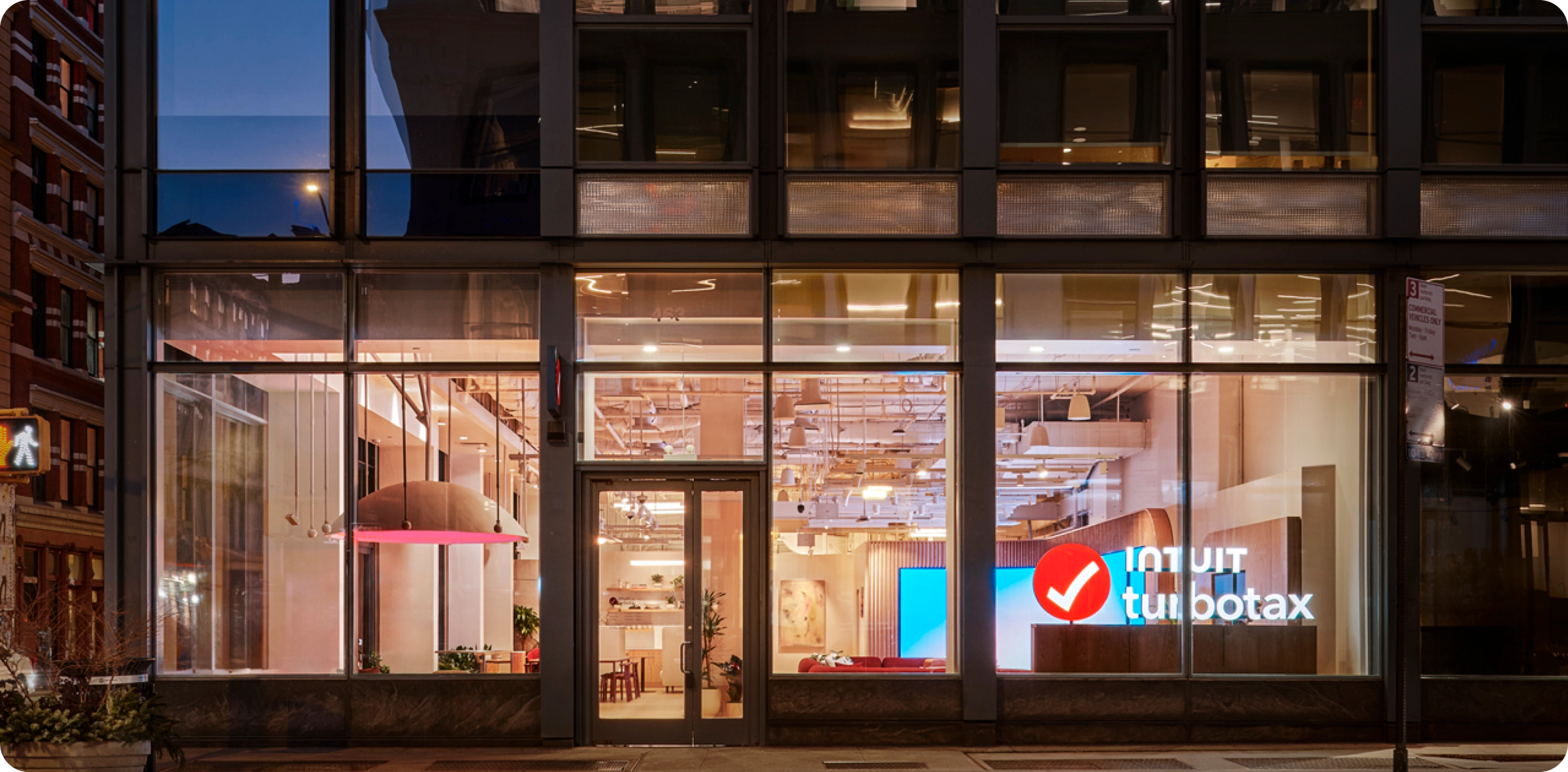
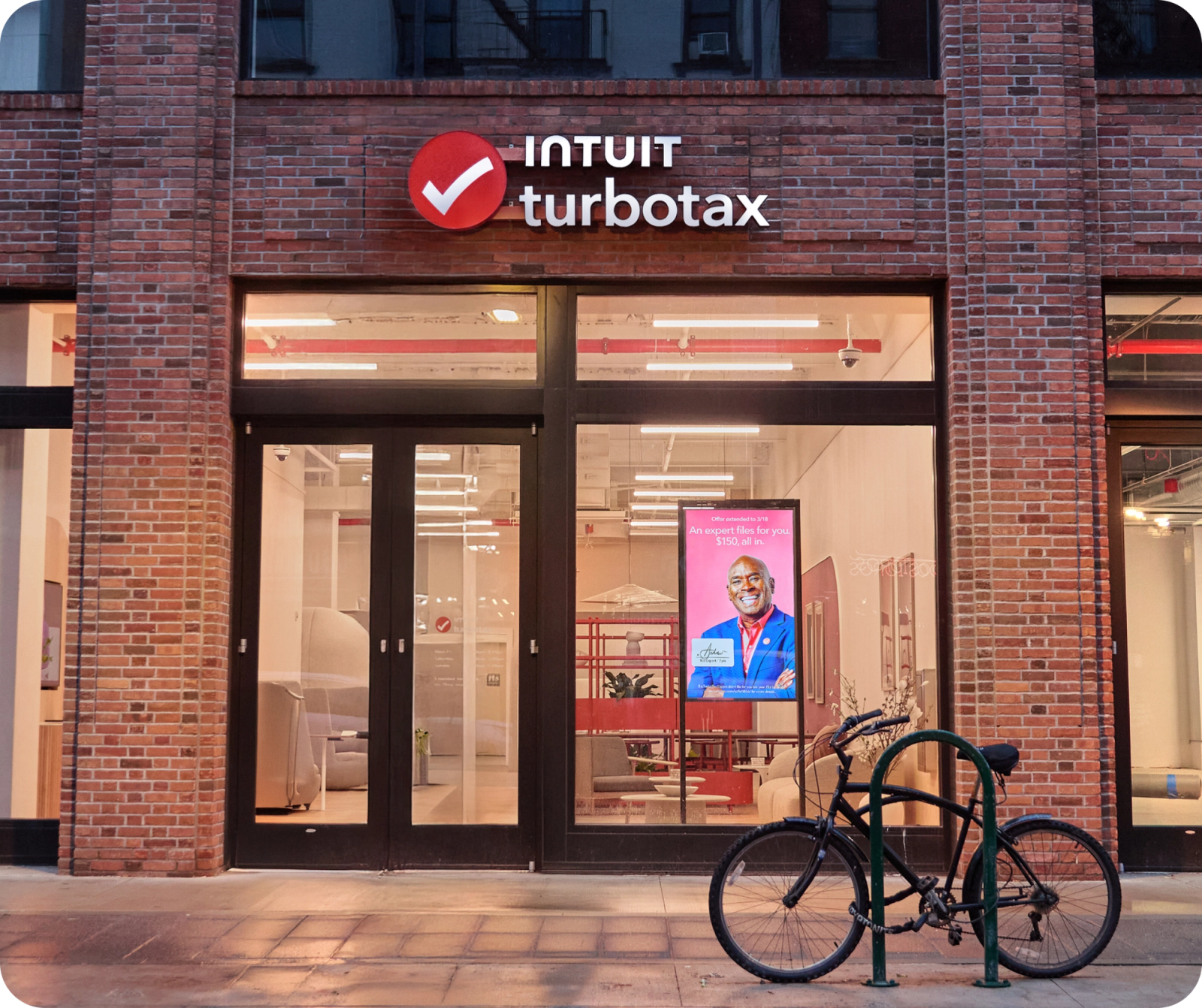
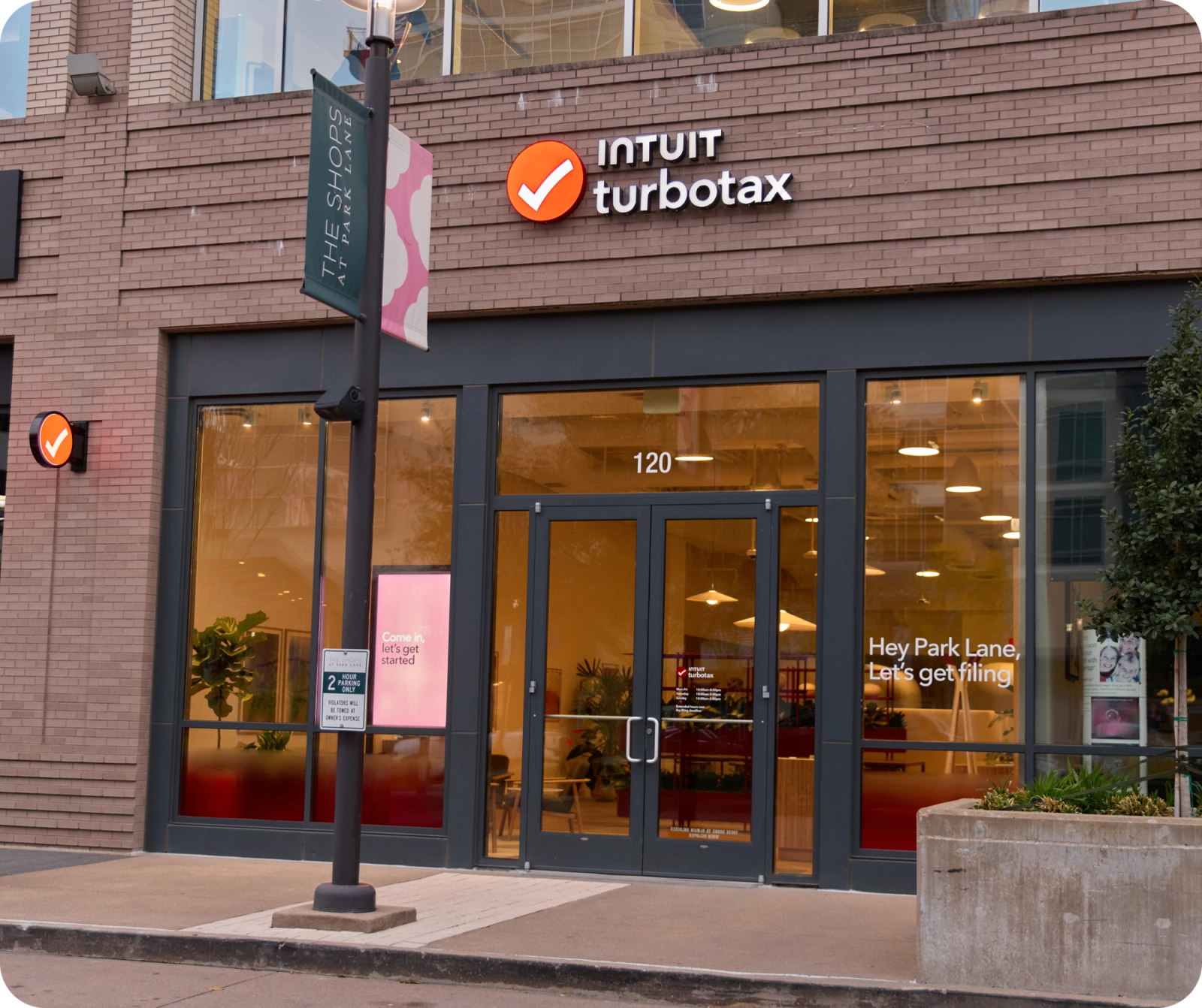
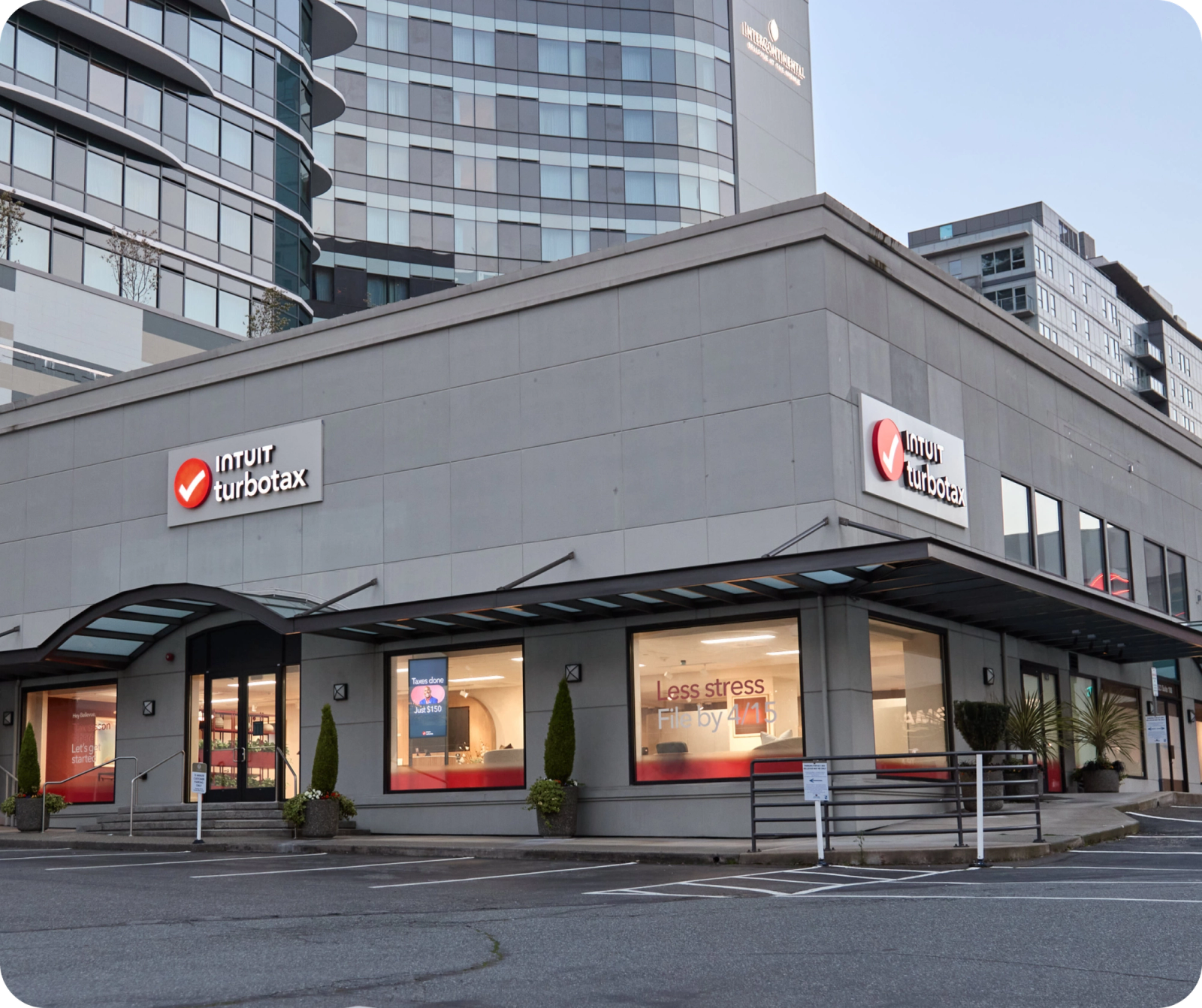
Spring didn’t want to build another tax office. Instead, they tackled the emotional reality of needing help with something as loaded as money. Spring designed stores built on the concept of hospitality, not transaction. It then could systemically be applied at home in SoHo and a suburban strip mall simultaneously, scaling it from a single flagship concept to a kit of parts ready to replicate across 100 locations.

“It's not about opening a store, it's about bringing to life an experience that powers your prosperity.”
Sasan Goodarzi, CEO, Intuit
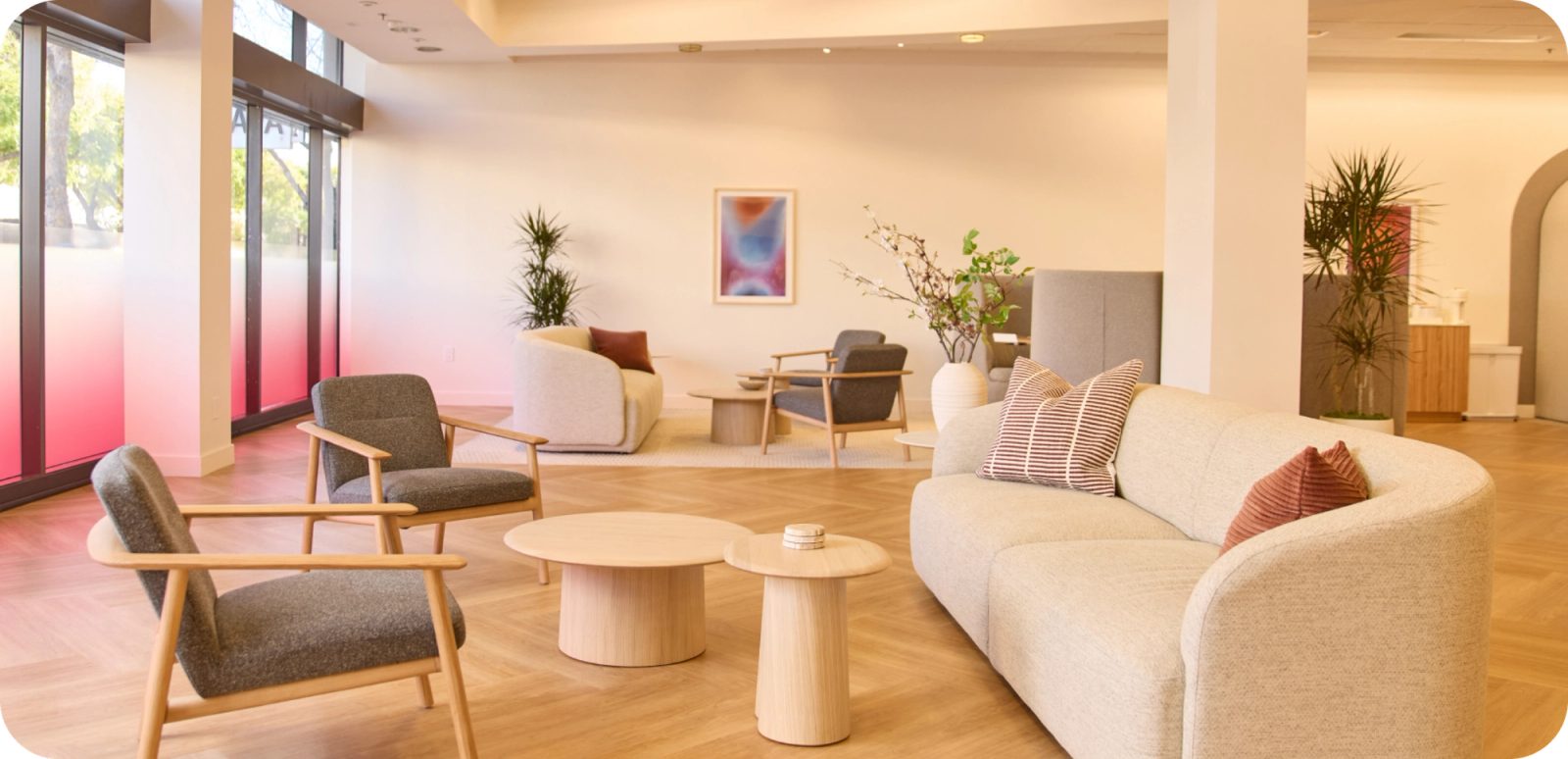
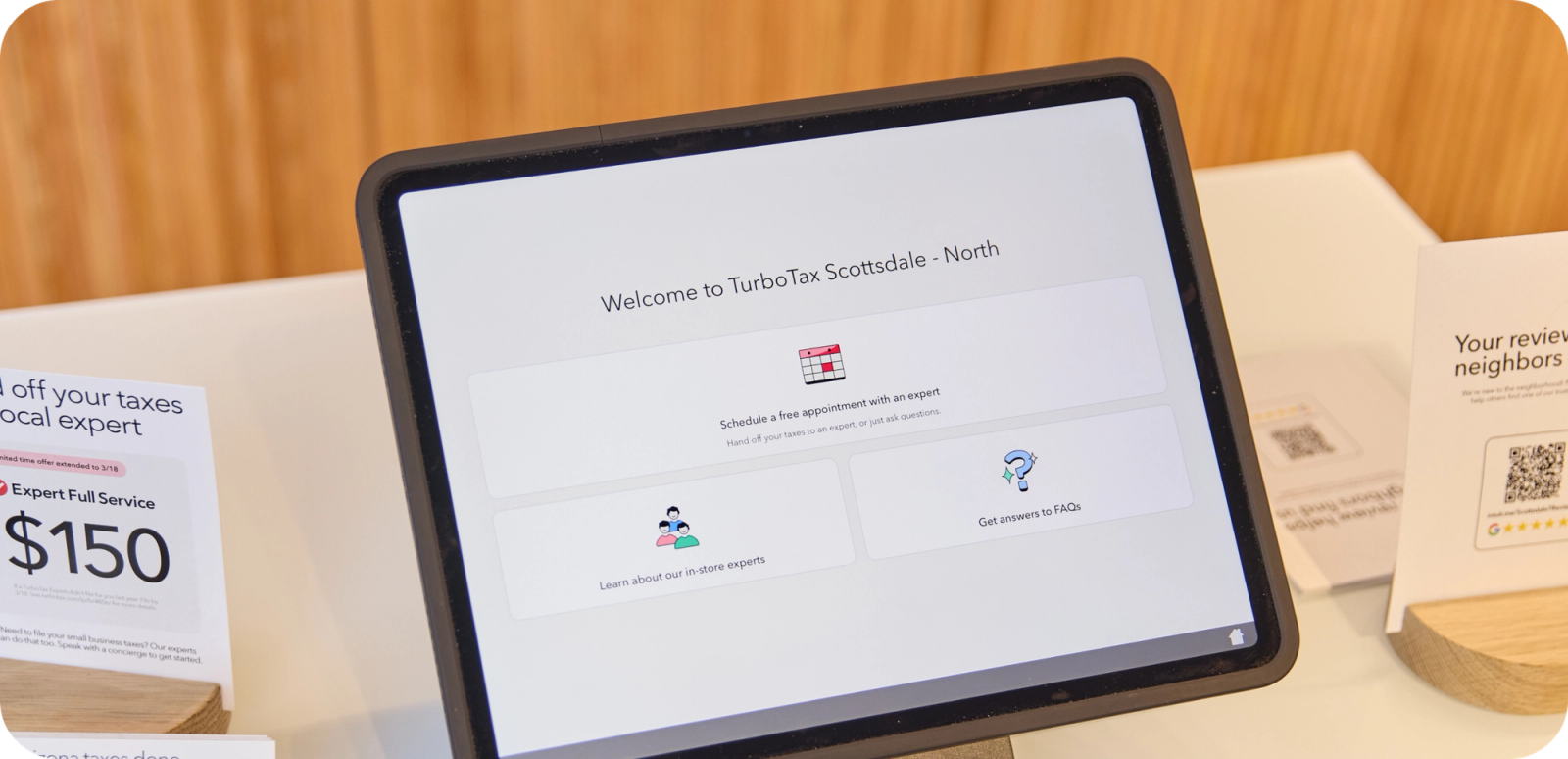
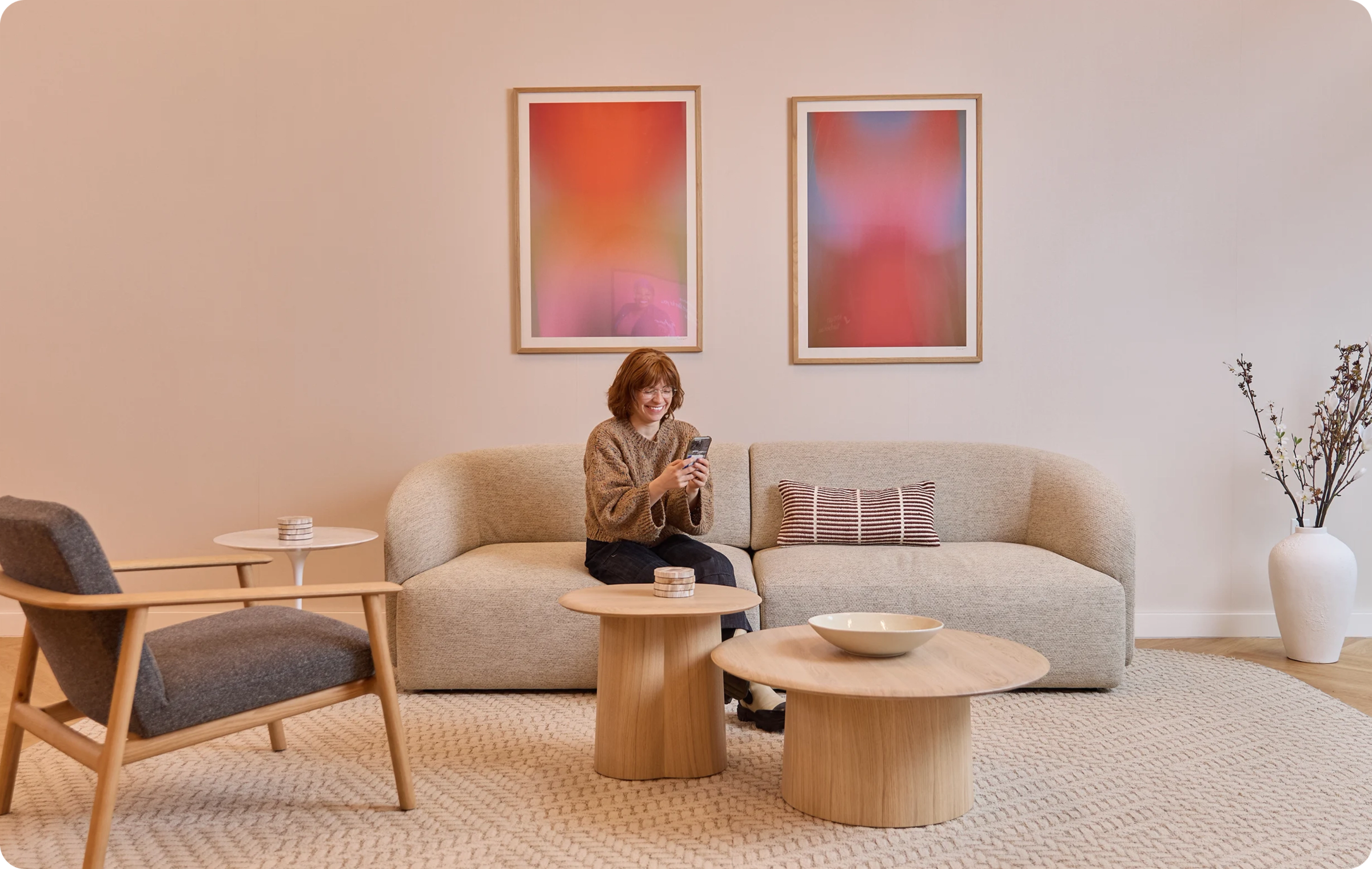
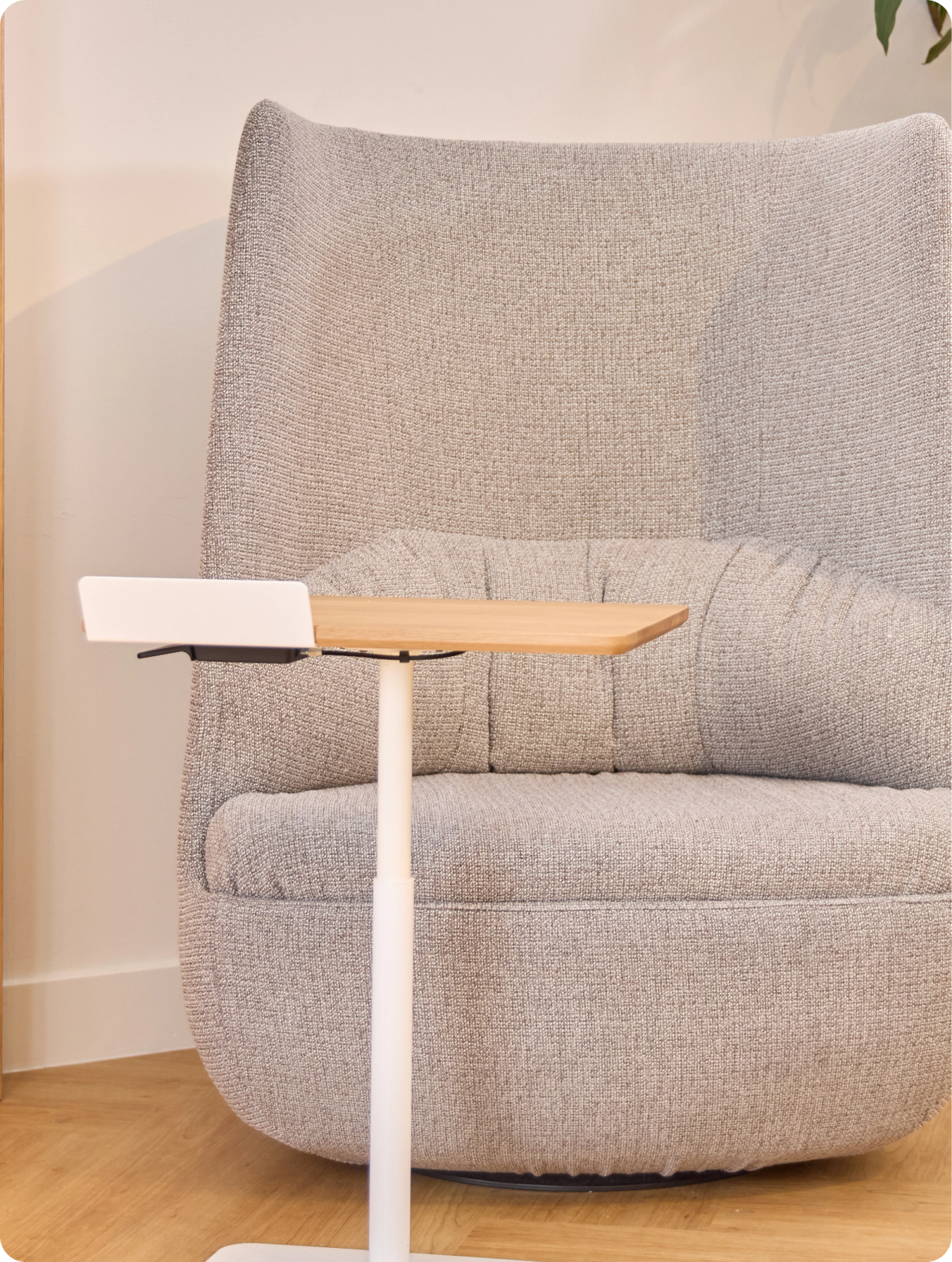
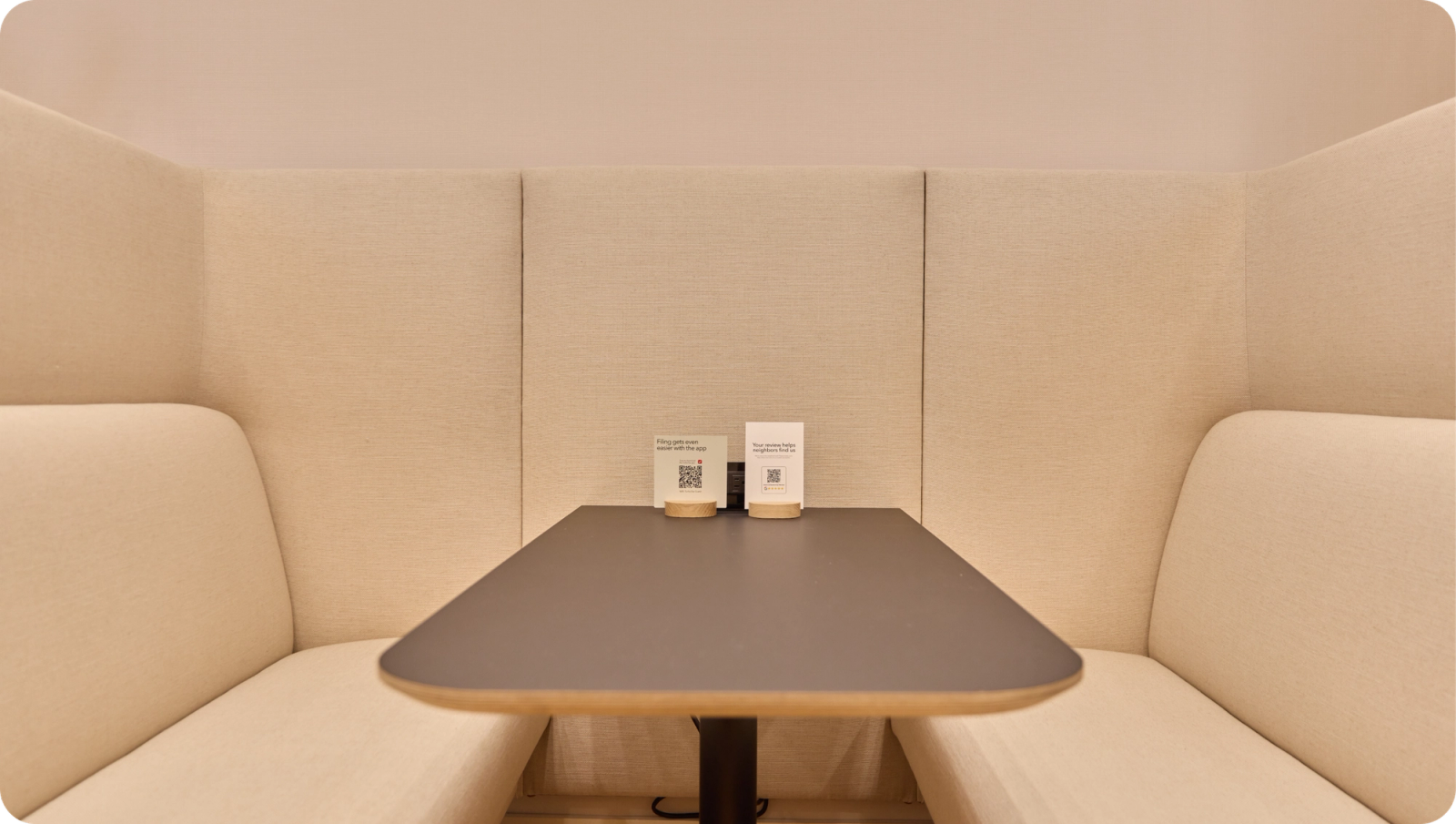
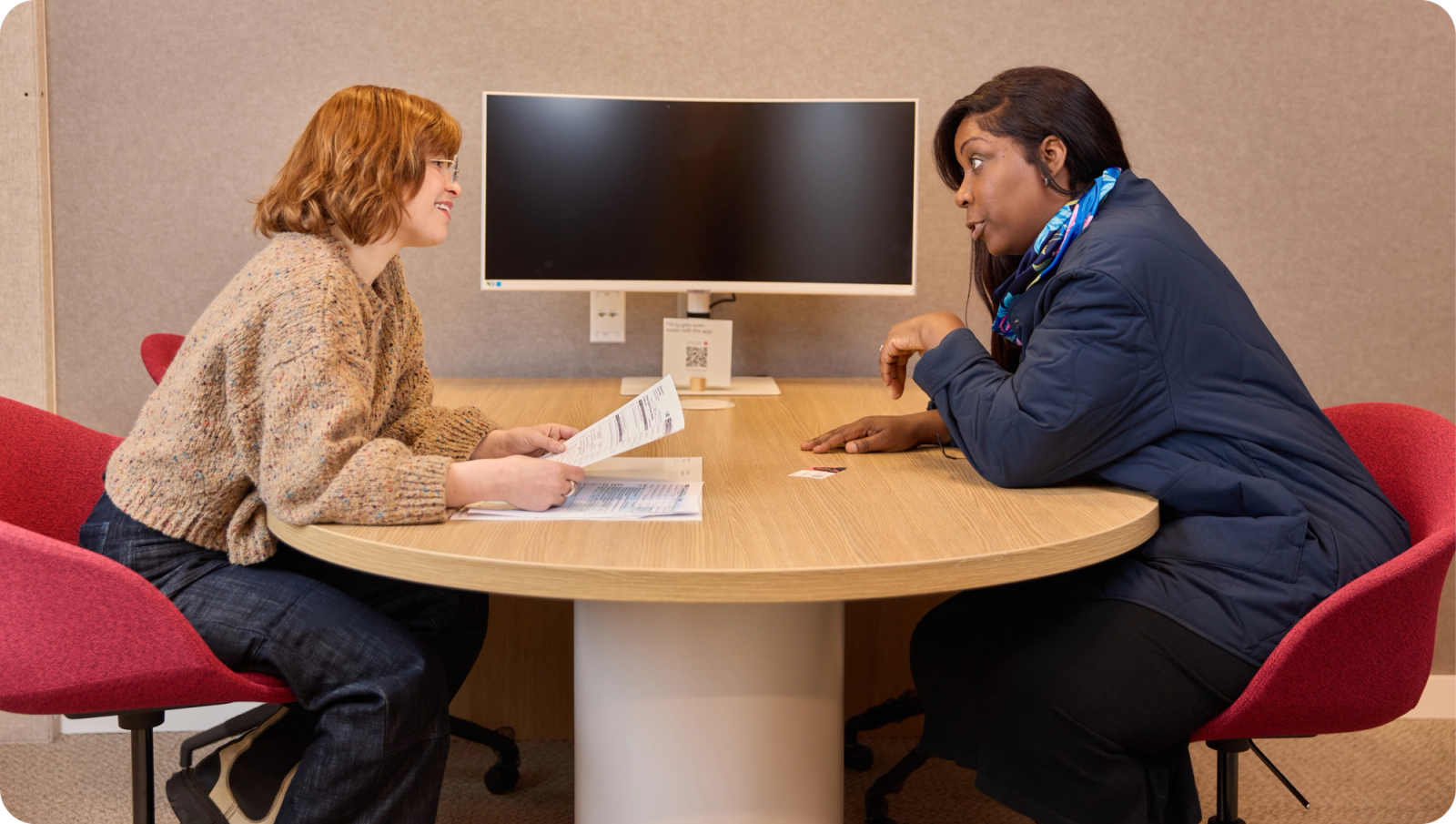
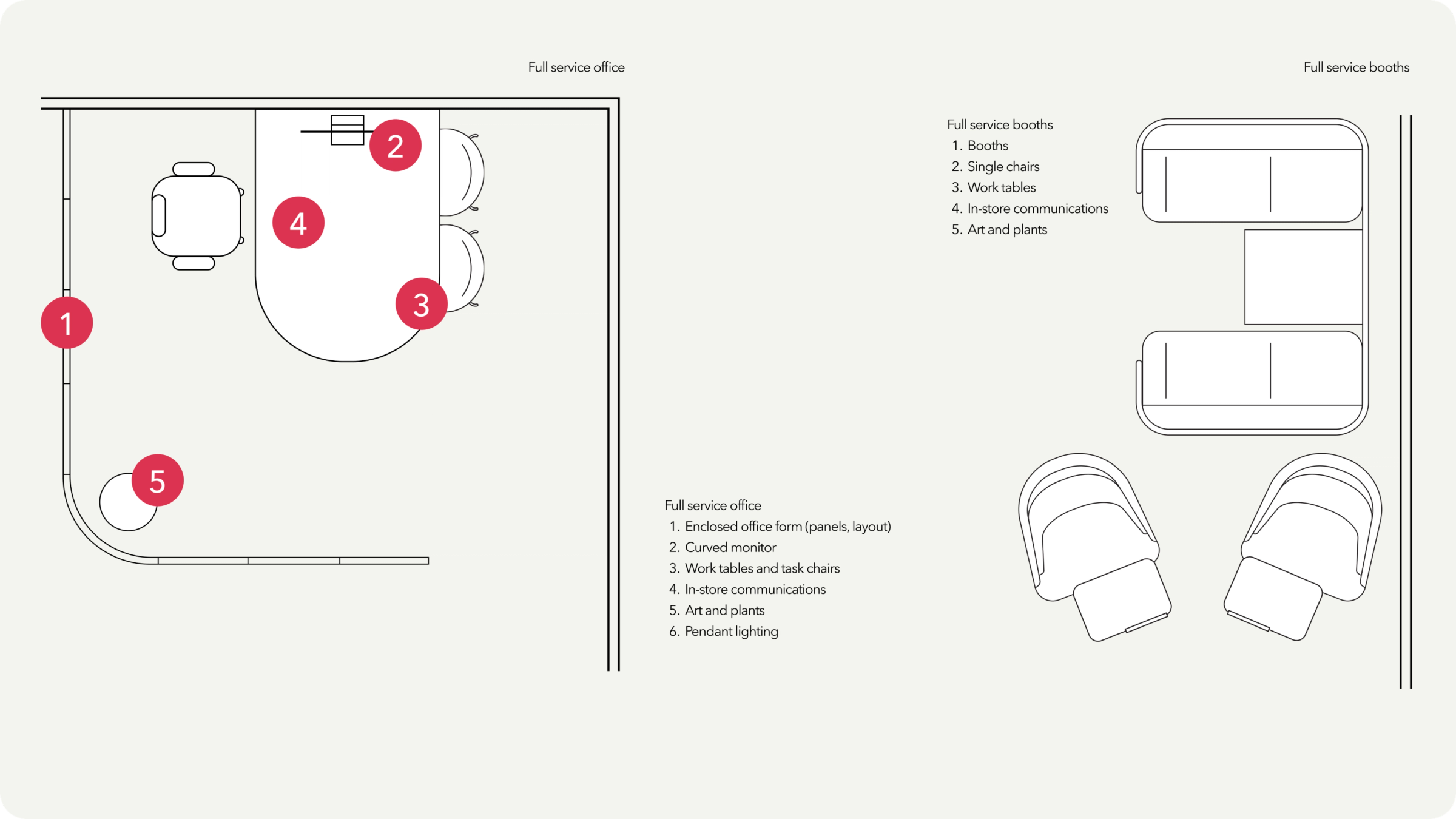
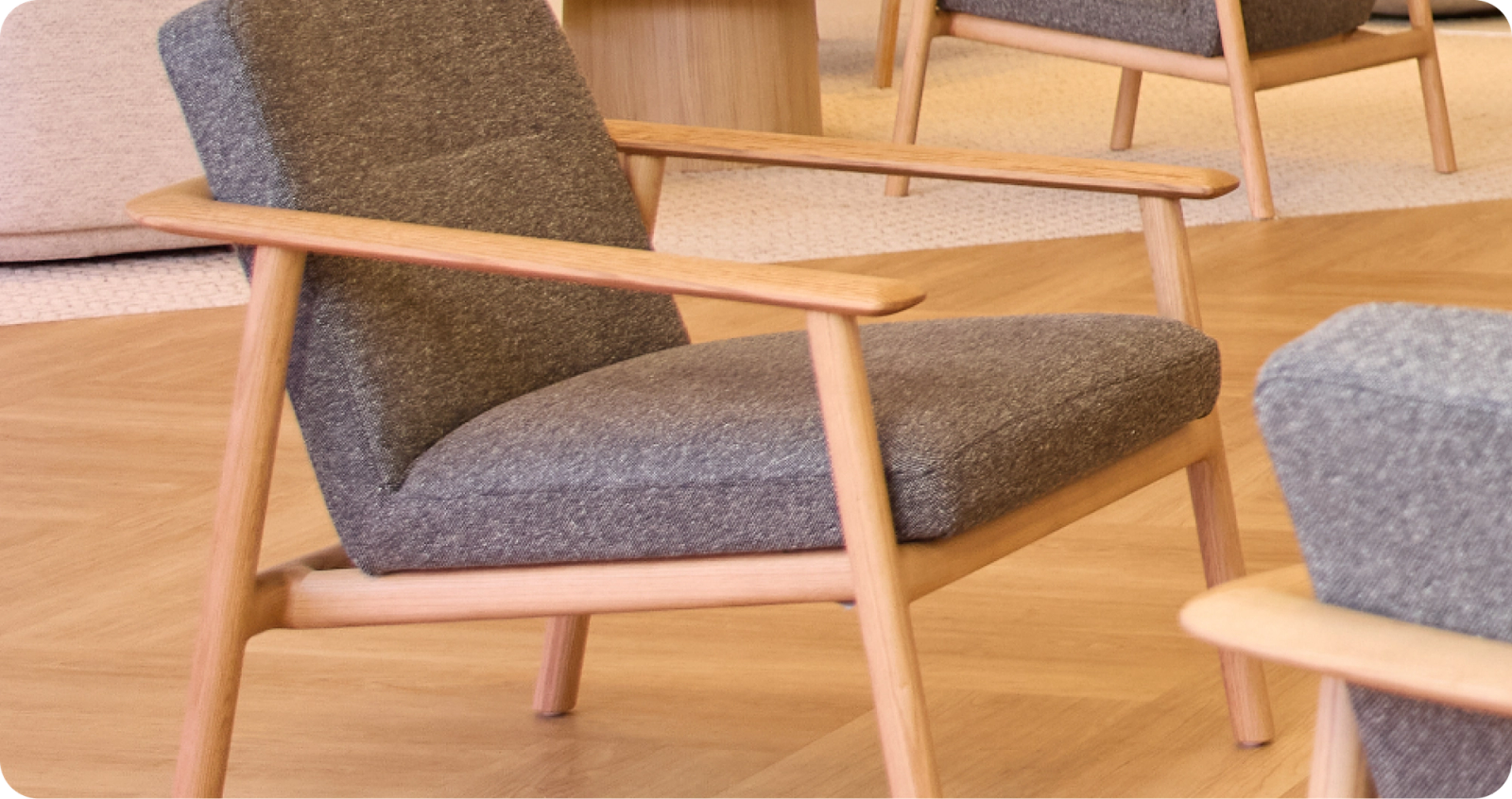
The sanctuary x comforts of home
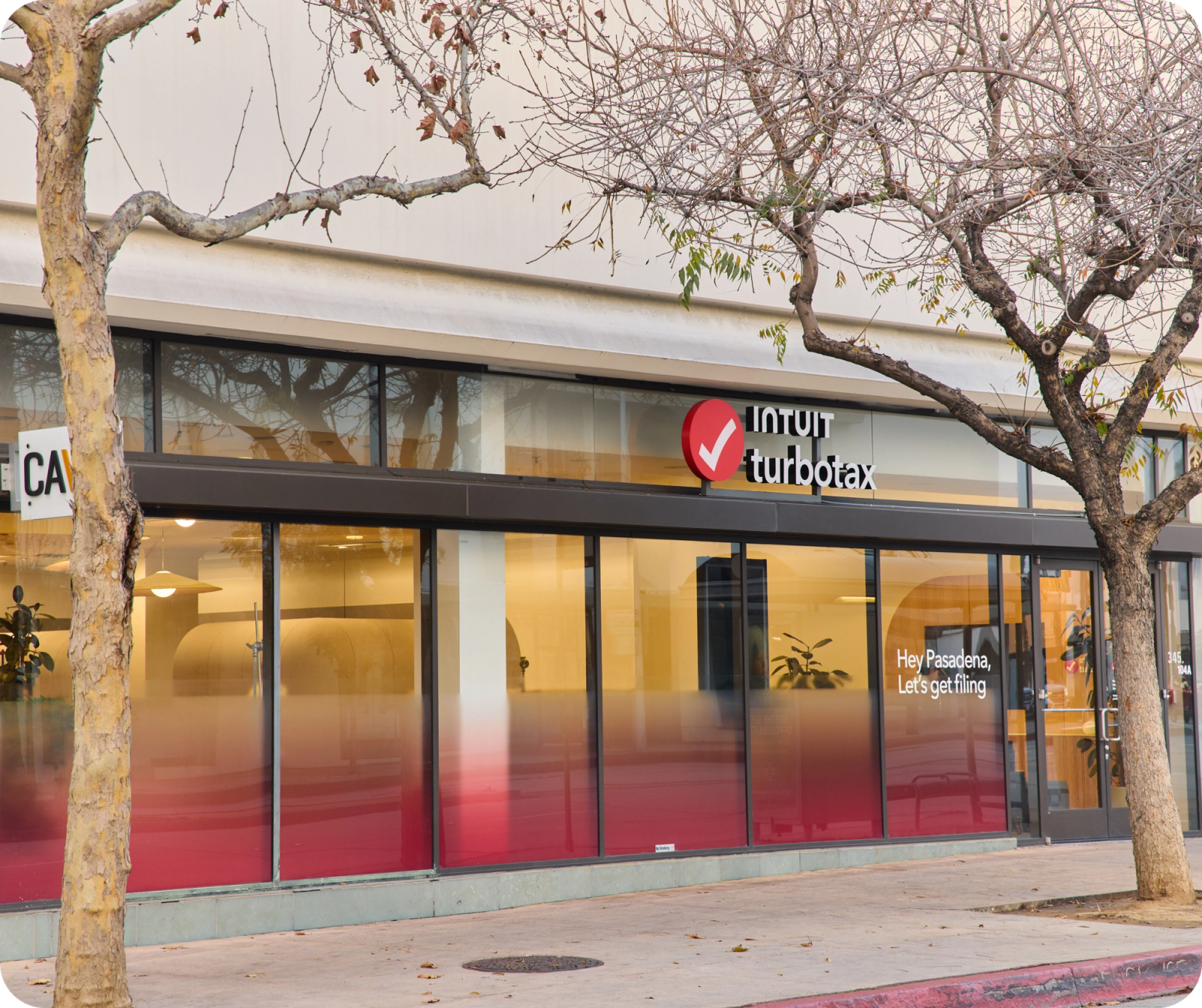
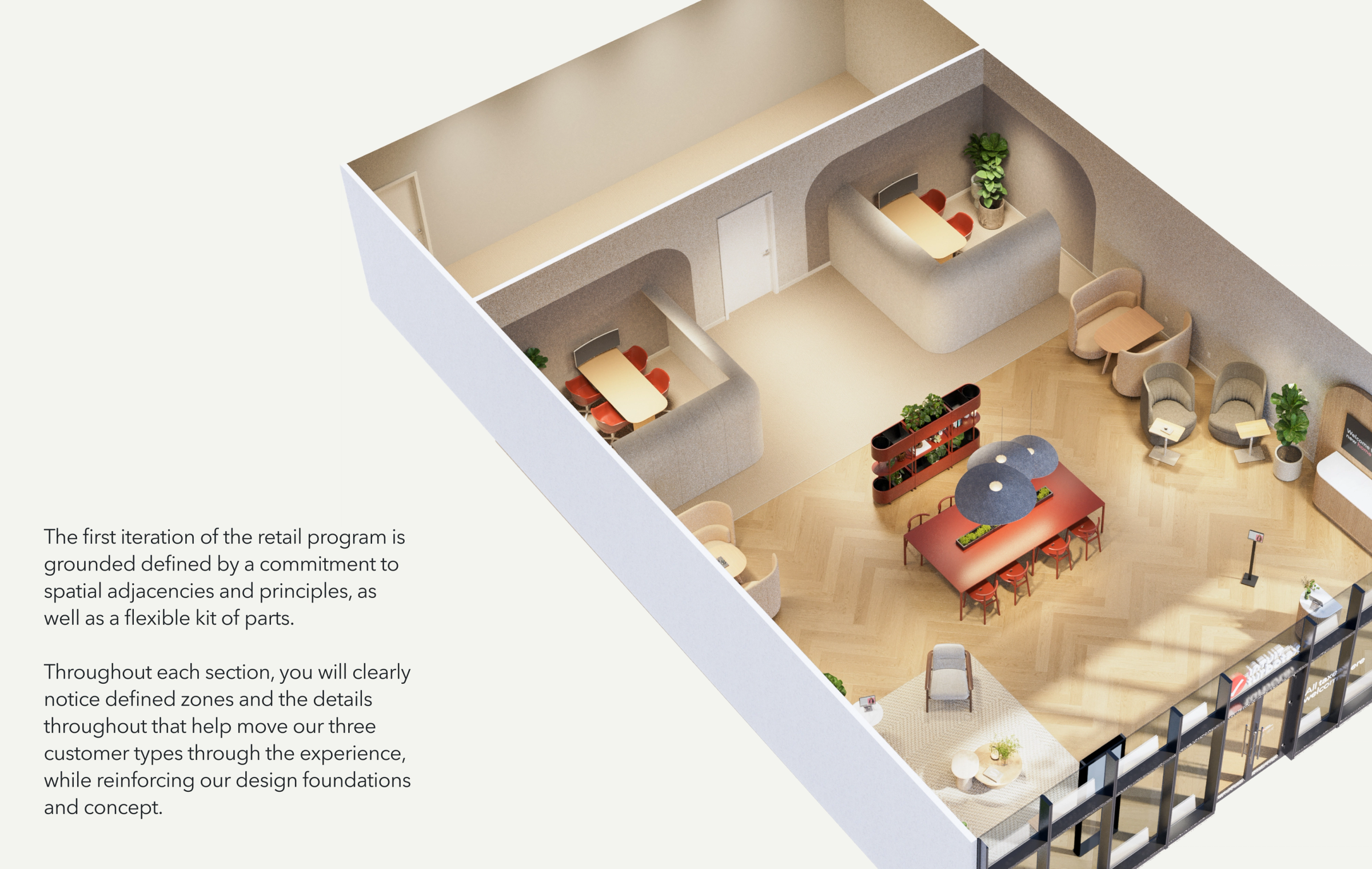
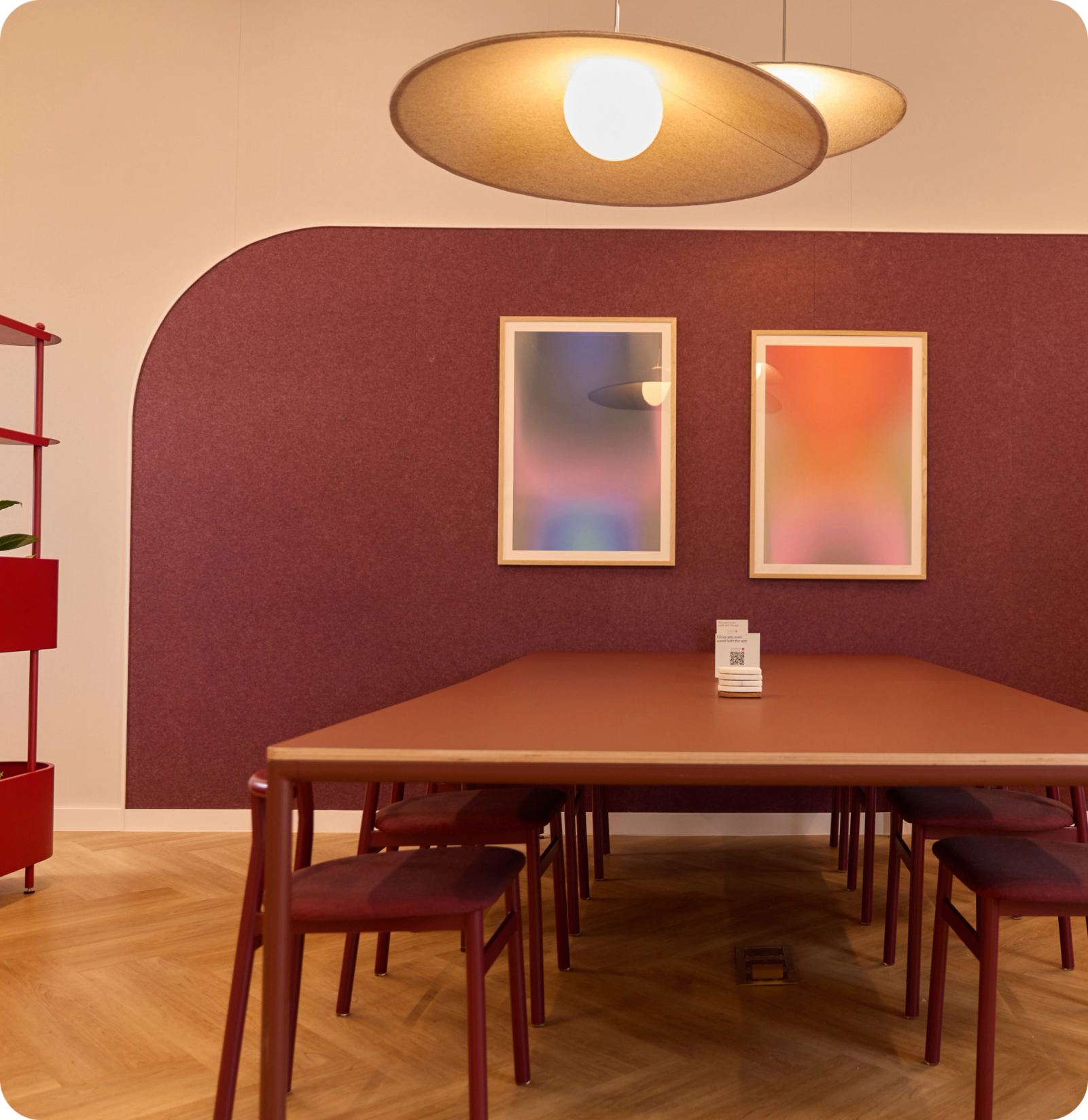
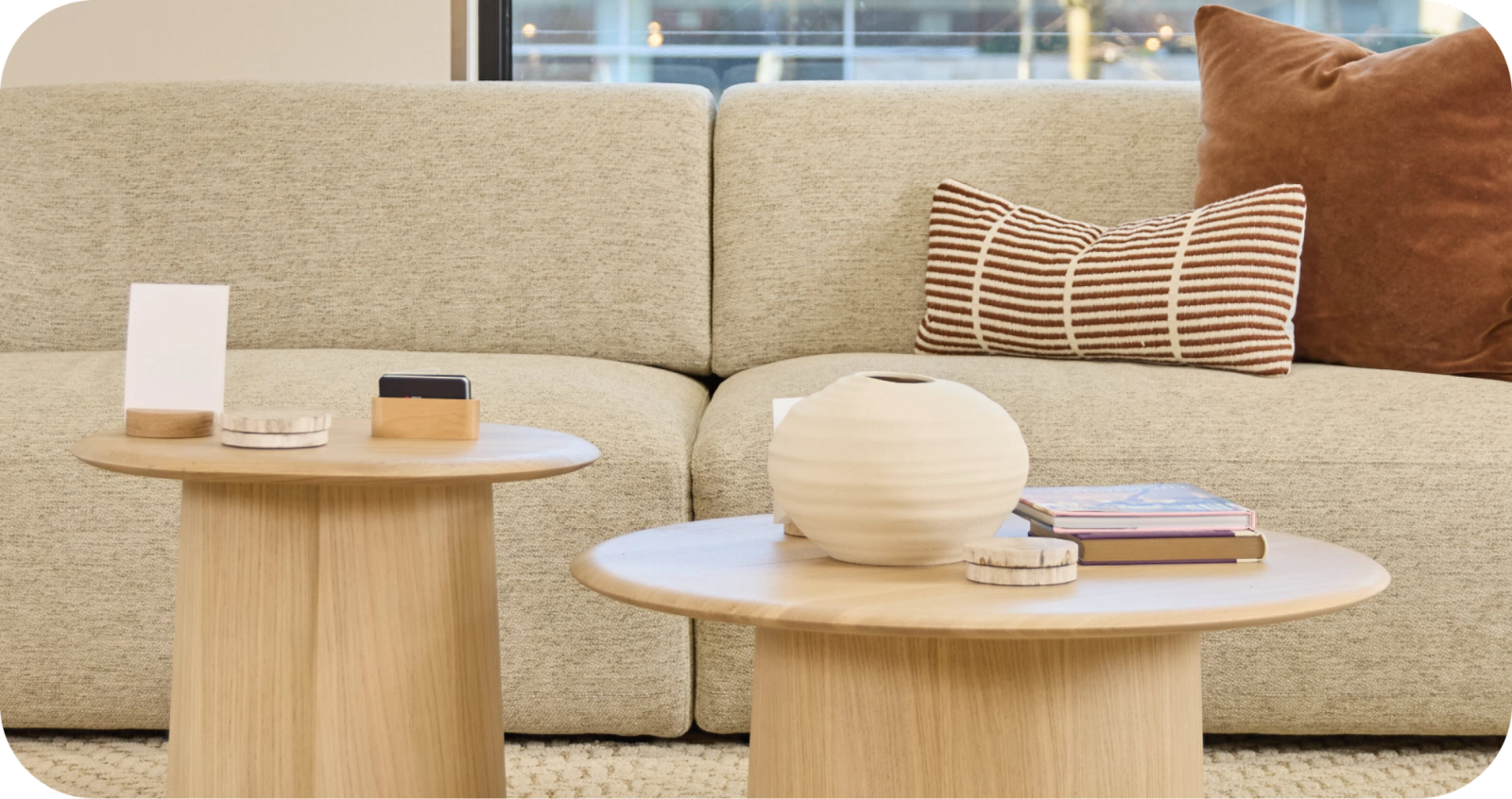
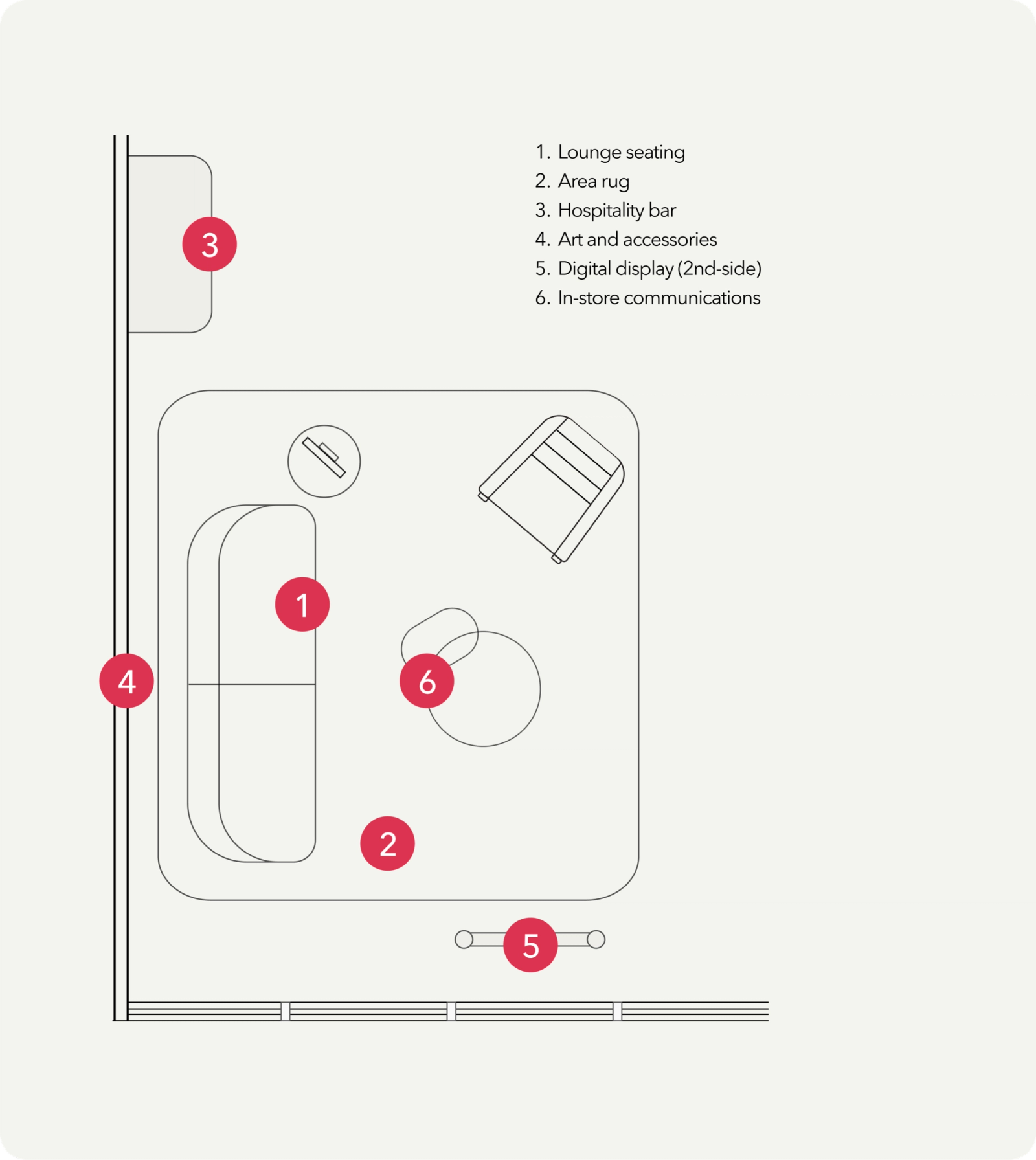
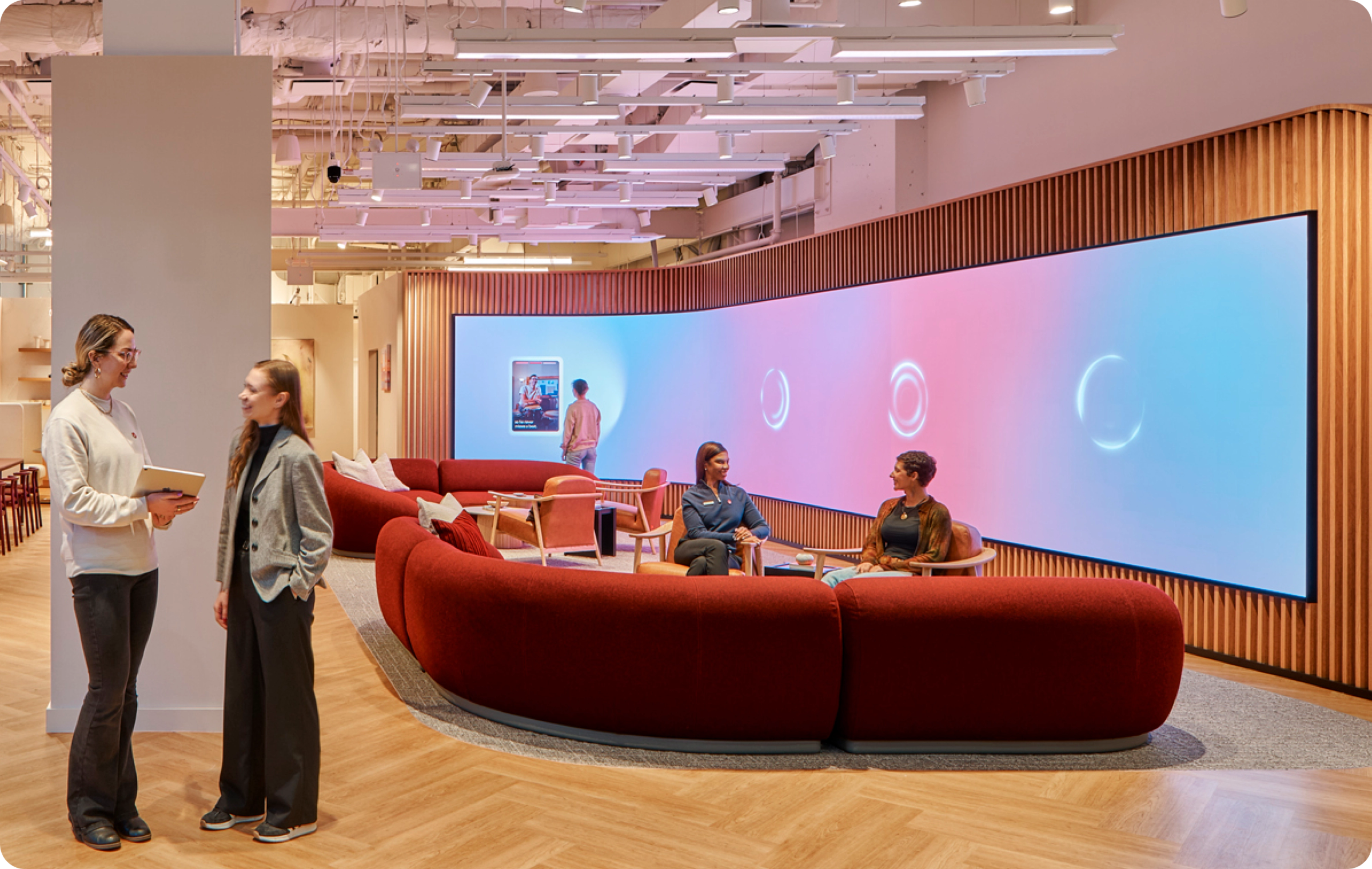
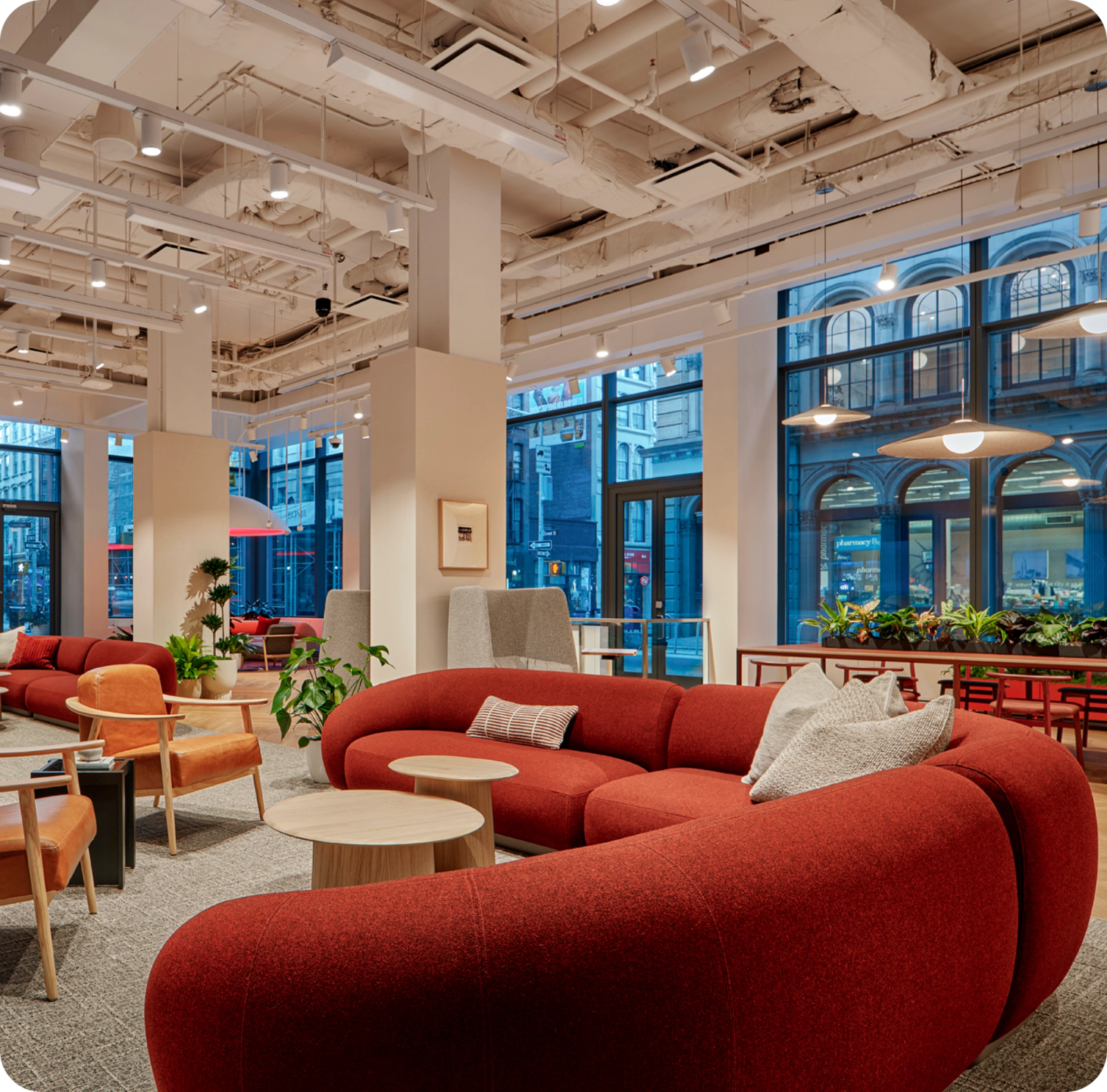
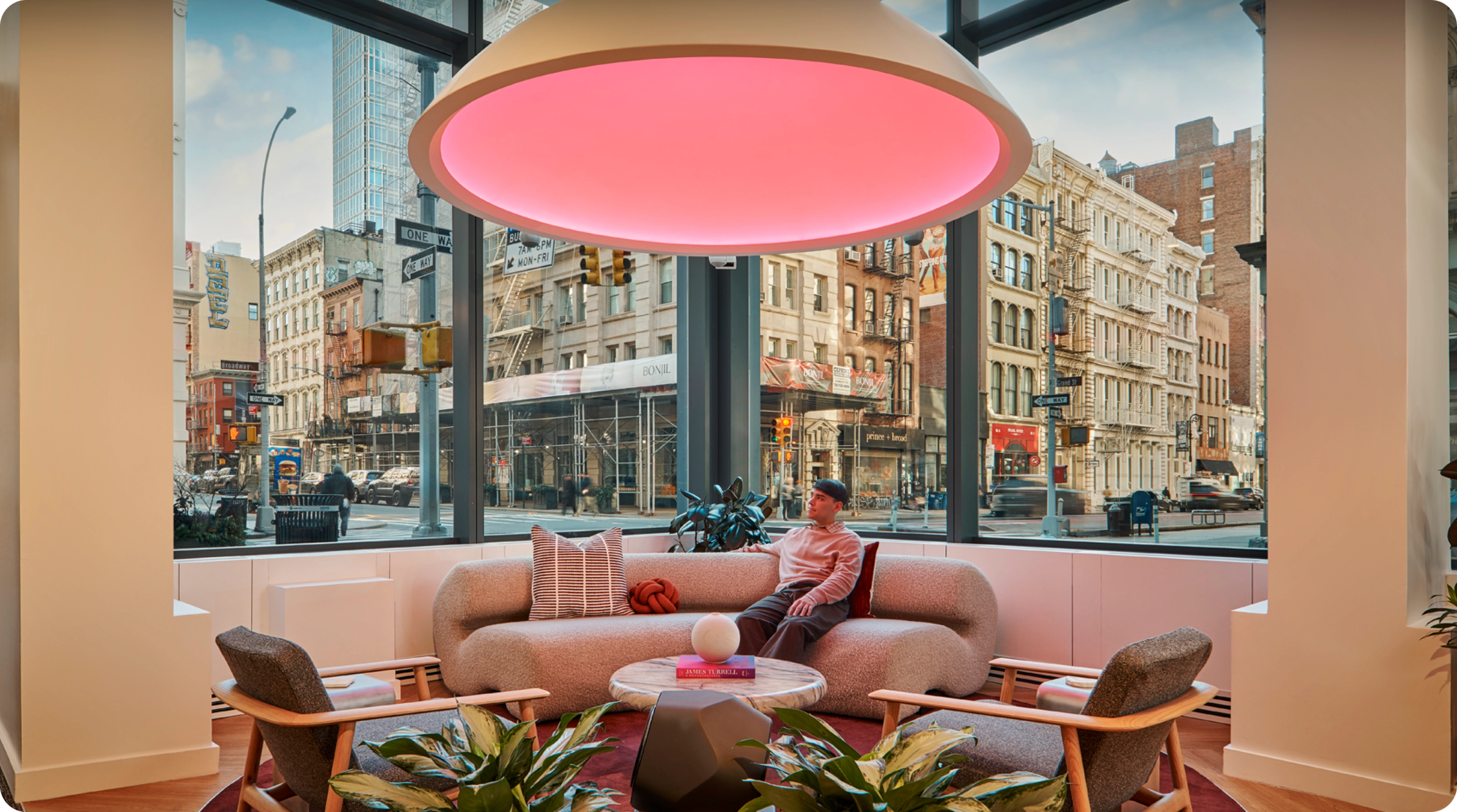
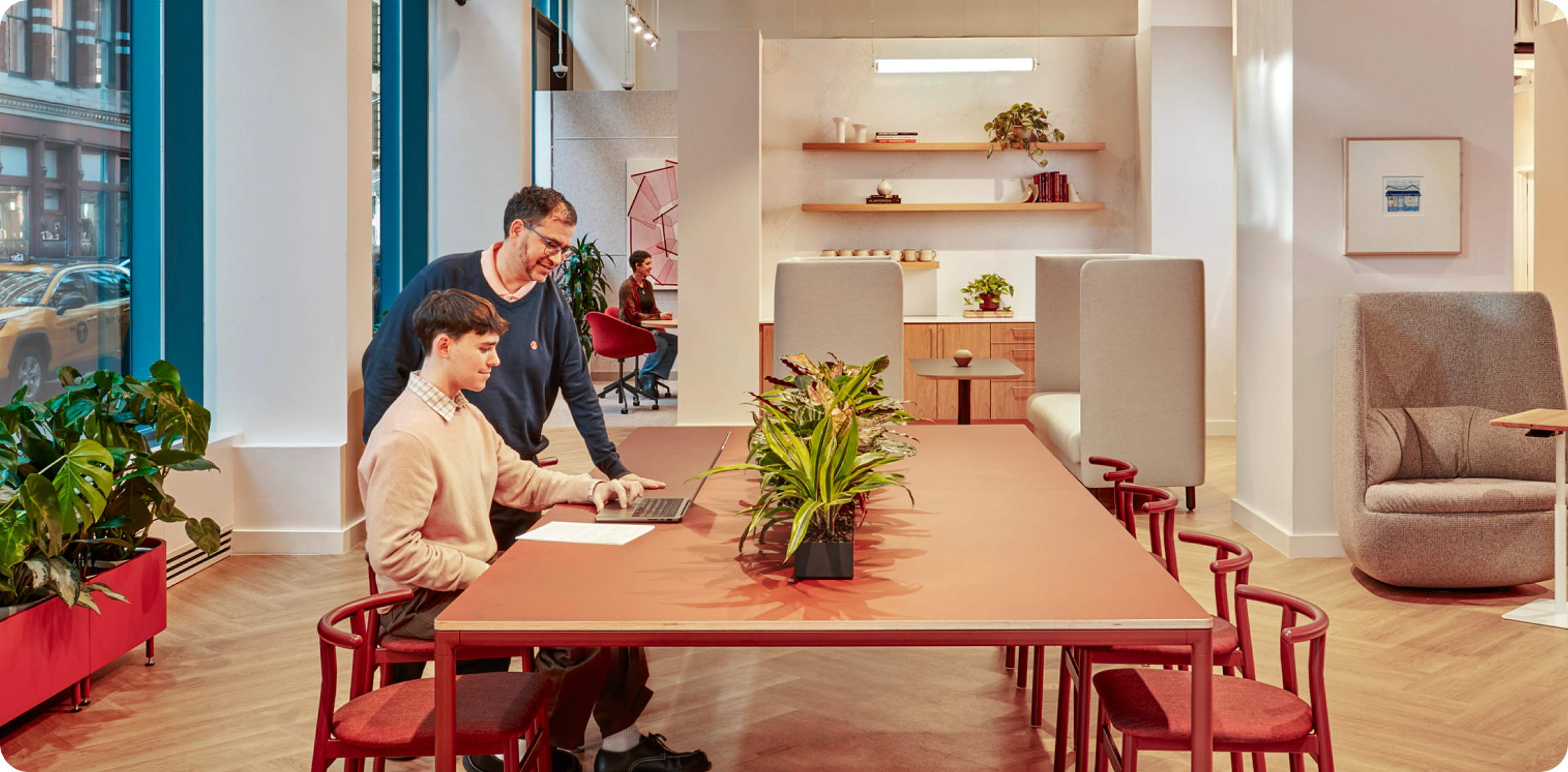
Spring’s vision was to create a sanctuary for taxes that gave customers as much privacy as the moment required. A welcoming lounge at the front. A collaborative workspace in the middle. Acoustic booths and private Expert Full Service offices at the back. Rounded sculptural furniture, natural wood, matte finishes, warm tones. The Watermelon gradient on storefront windows was TurboTax's ownable physical mark. This system was designed to hold across a SoHo flagship and a suburban location alike.

Impact
Full overview
TurboTax had the experts. What it didn't have was a place to put them. For decades, the brand had bet on self-service and won. But the tax landscape shifted. Returns grew more complex. The gig economy created millions of filers with messy income pictures. Small business formation hit record highs. And a generation of financially anxious consumers started looking for something the app couldn't give them: care, attention, and the confidence that comes from sitting across from someone who actually knows what they're doing. Spring was brought in to answer the question no external partner could: what does a TurboTax store actually look and feel like?
The central tension was that TurboTax had spent decades telling people they didn't need help. Now it was opening stores staffed with experts who would do it for you. That's a real shift and it exposed something tech brands often miss. Customers don't care how a product works, they care how it makes them feel. And the people most likely to walk into a TurboTax store aren't confident. They're anxious, overwhelmed, genuinely lost and looking for relief.
Spring designed around that emotional reality. They created a privacy gradient from street to sanctuary. Starting with welcoming lounge at the front, a collaborative workspace in the middle, private Expert Full Service offices at the back. Rounded sculptural furniture, natural wood, matte finishes, warm tones. Acoustic dividers creating sound-smart zones without hard walls. The design vocabulary drawn from hospitality, not retail. Nothing that looked like a tax office, because nothing about the experience should feel like one.
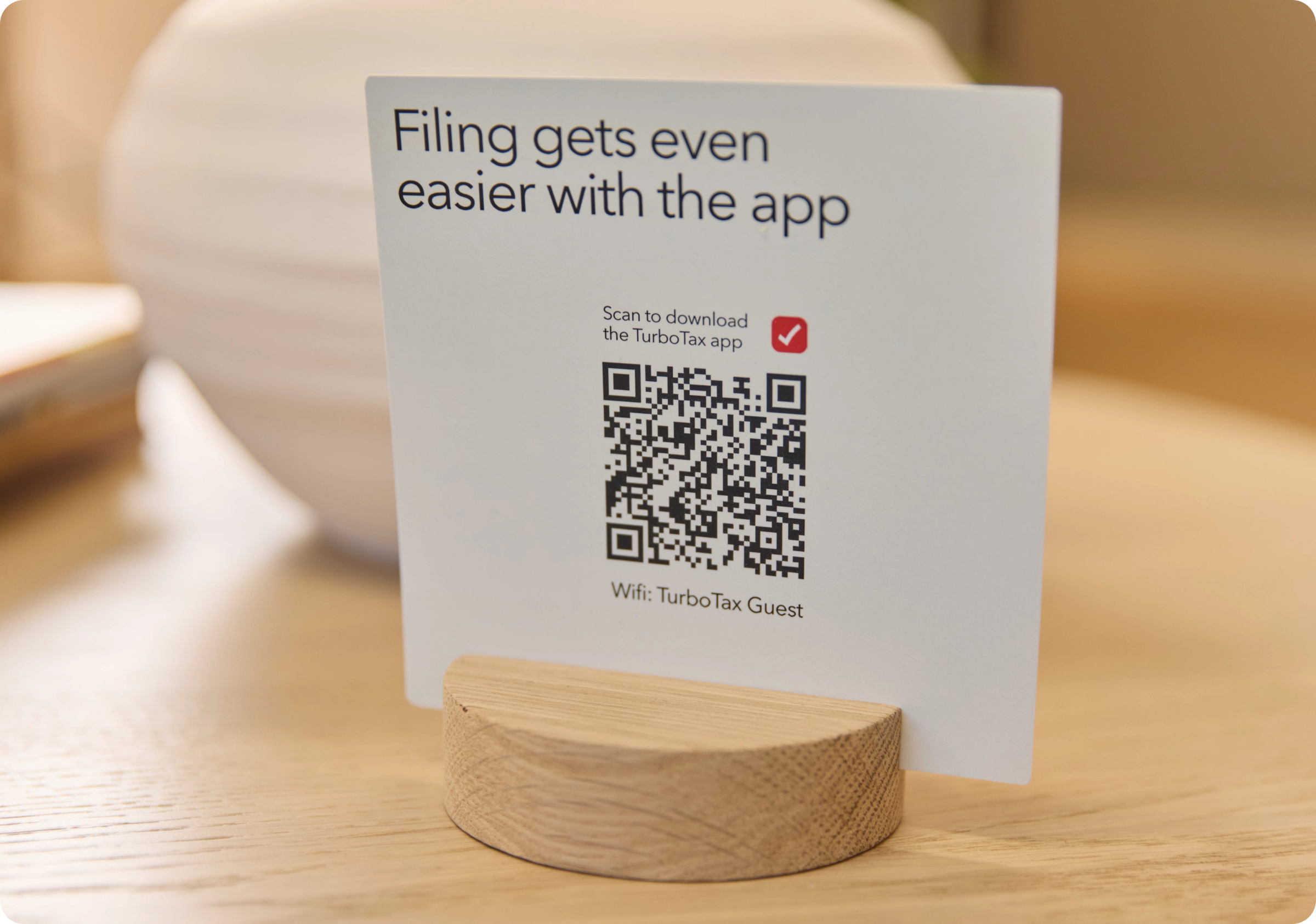
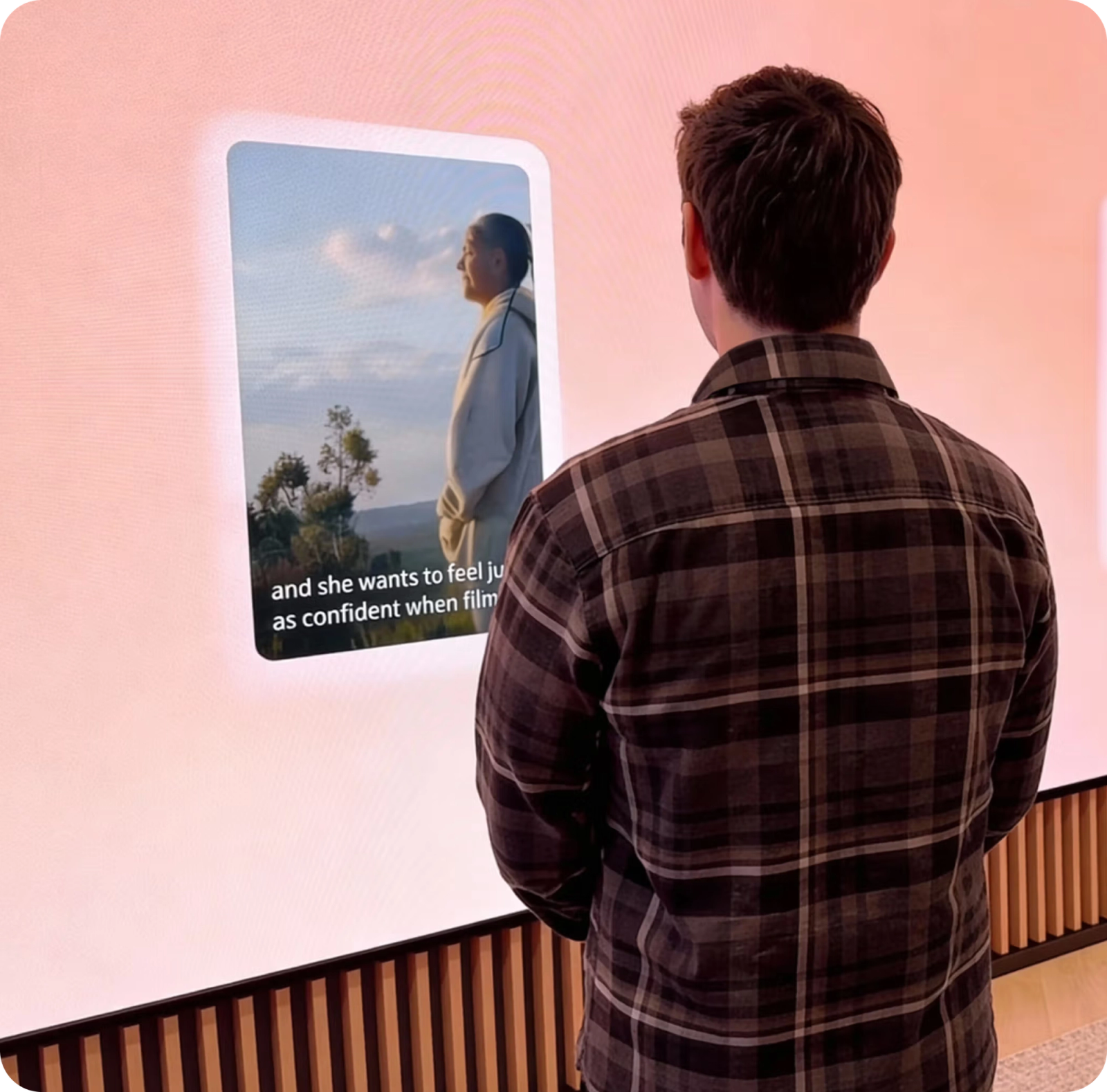
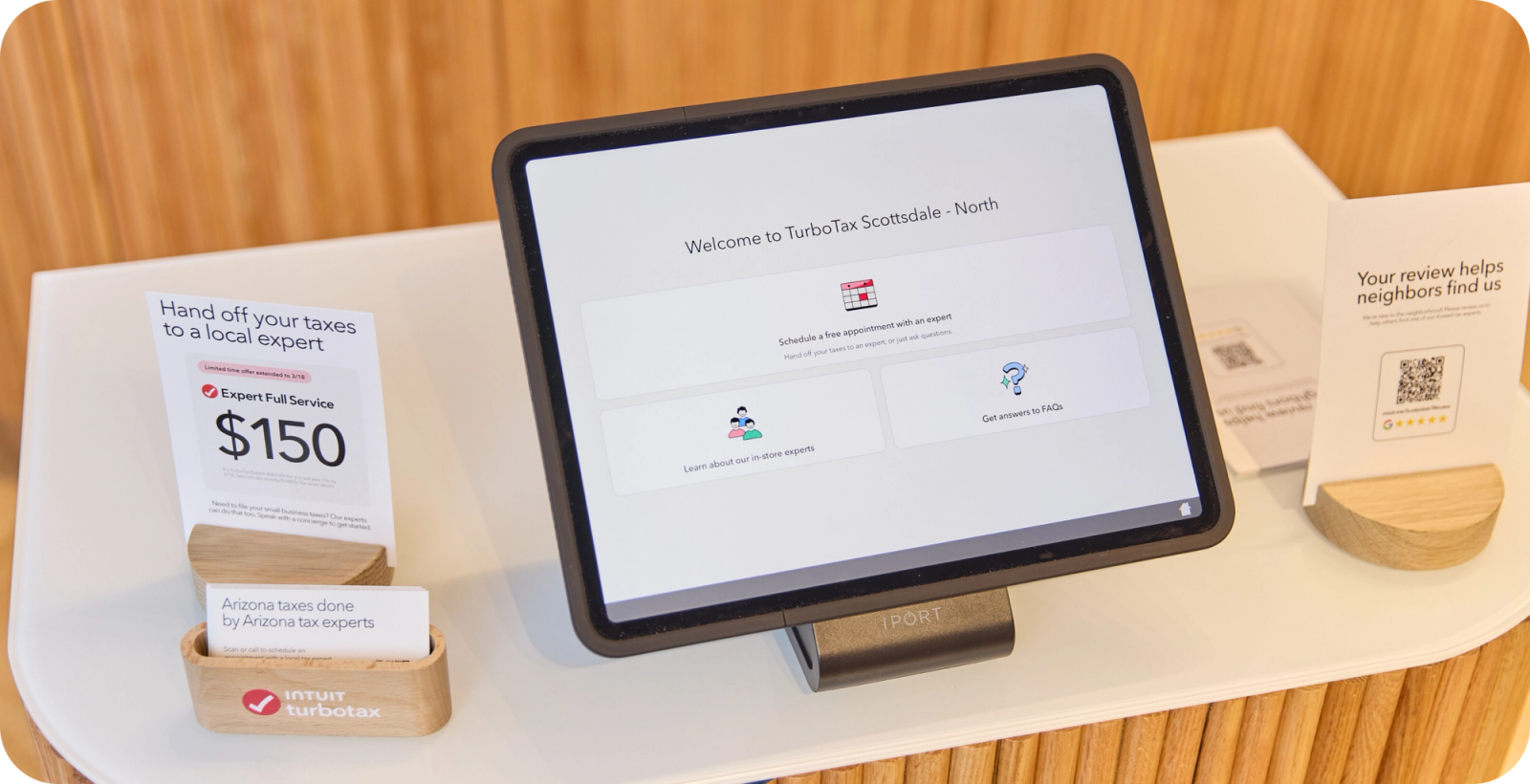
The Watermelon gradient on windows adds brand recognition before any signage is read. Spring designed a three-tier system to hold consistency across radically different physical contexts. The digital displays across all tiers run a 30-second animated loop updated remotely by Spring, so messaging shifts seasonally without store-level production. The in-store communications system, including business cards, flyers, and the Next Steps Folio, led with the expert's face and name, not the logo. Trust at the local level is earned by a person, not a brand mark.
Spring also authored the digital brief, the programming strategy, and the operational frameworks that downstream partners built their work on top of. The tech principles handed to the product team. The programming framework calibrated by DMA archetype so each store builds genuine community roots rather than running a national template locally.
The SoHo flagship opened January 17, 2026, less than eight months from brief to ribbon-cut. A leading equity research firm visited the flagship and multiple Expert offices and concluded the retail rollout was both defensively and offensively sound, driving incremental Assisted growth from new customers and strengthening "near me" discovery across markets. 10 stores are open across 8 markets as of March 2026. The target is 100 for TY26. Spring didn't design a tax office. They pioneered a sanctuary for taxes.
Spring role
- Strategy and experience design
- Spatial design
- Environmental design
- Service design
- Technology design
- Programming design
Collaborators
- Gensler - Architecture and interior design, spatial buildout execution
- K+K - Construction and general contracting
- Buck - Forum interactive content and motion design
- JLL - Real estate strategy and site selection

Next Project
Customer asset library